

 sales@doomshell.com
 +91 8005523567
Our Perspectives
Decoding Technology
for a Better Tomorrow.
Our industry experts share new insights, trends, and strategies that will take your business to the next level.
- AI Agent Development
- Android App Development
- BigCommerce Development
- Cloud Application Development
- Digital Marketing
- Flutter App Development
- Graphic Design
- iPhone App Development
- Laravel Web Application Development
- Magento eCommerce Development
- Mobile App Development
- MySQL
- Node.js Development
- Other
- Python Software Development
- React Native Development
- ReactJS Development
- SEO
- Shopify Development
- Social Media Marketing
- Software Testing
- UI UX Design
- Web Development
-
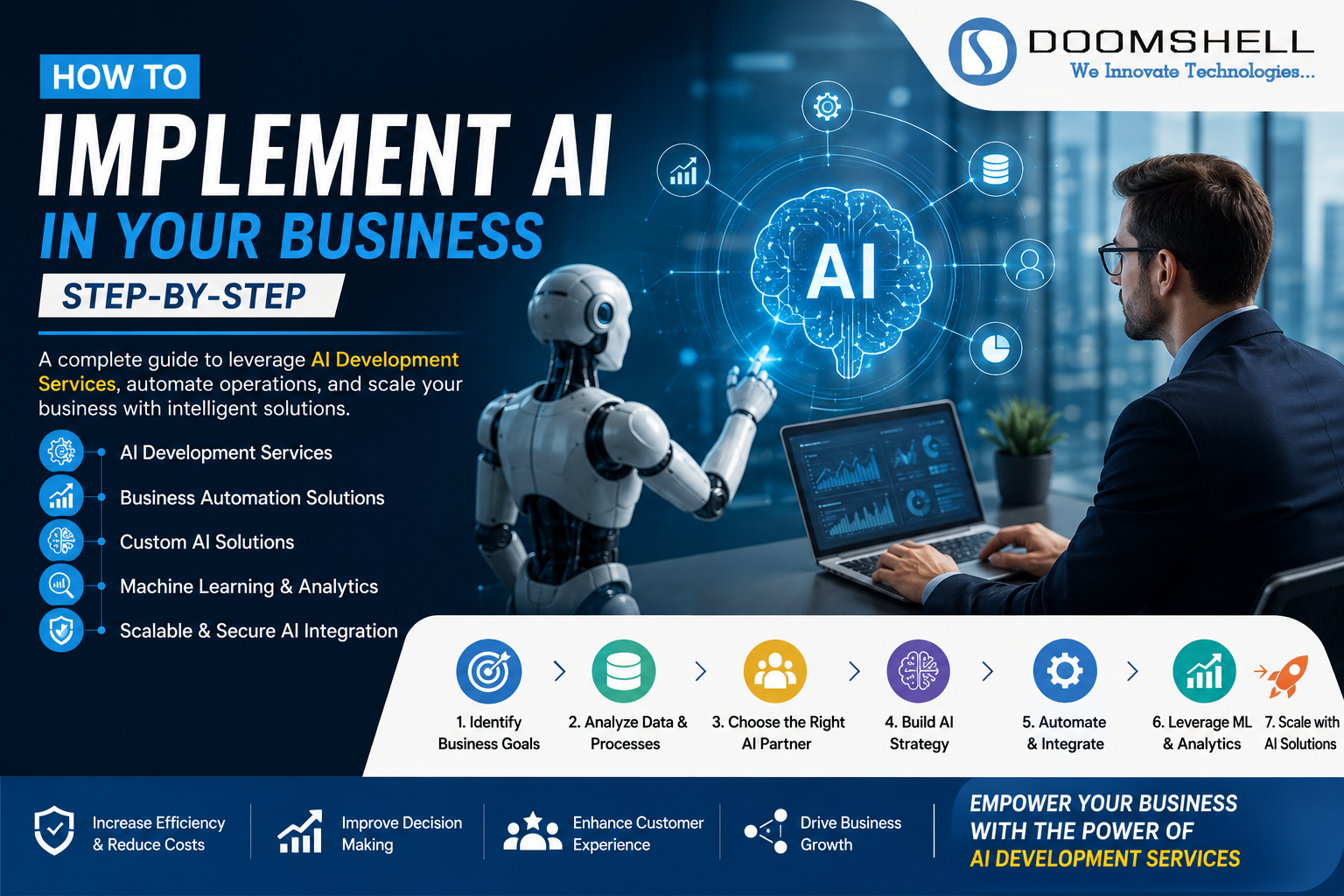
AI Development Services: A Complete Guide to Successful AI Implementation for Businesses
Artificial intelligence is no longer limited to large technology companies. Today, startups, small businesses, and global enterprises use AI to automate workflows, improve customer experiences, and make faster decisions. From retail and healthcare to finance and manufacturing, organizations are integrating intelligent technologies into their daily operations to stay competitive. According to industry reports, businesses that…
-
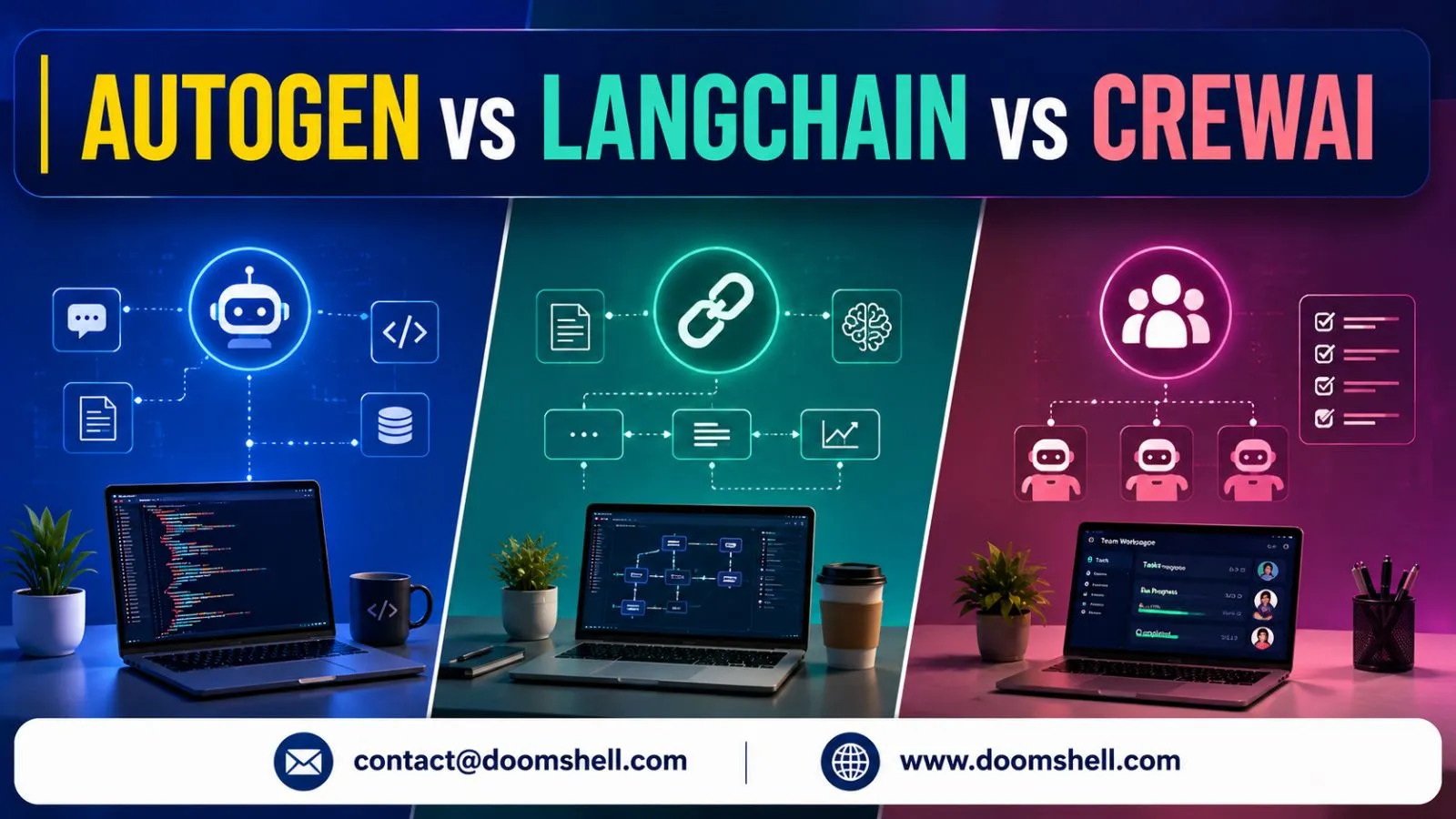
Autogen vs LangChain vs CrewAI: Which AI Agent Framework Is Best in 2026?
AI agents are transforming how businesses automate workflows, analyze data, and make decisions. Instead of relying on a single large language model (LLM), organizations are now building multi-agent systems where specialized AI agents collaborate to solve complex tasks. This shift has increased the demand for powerful AI agent frameworks such as Autogen, LangChain, and CrewAI.…
-
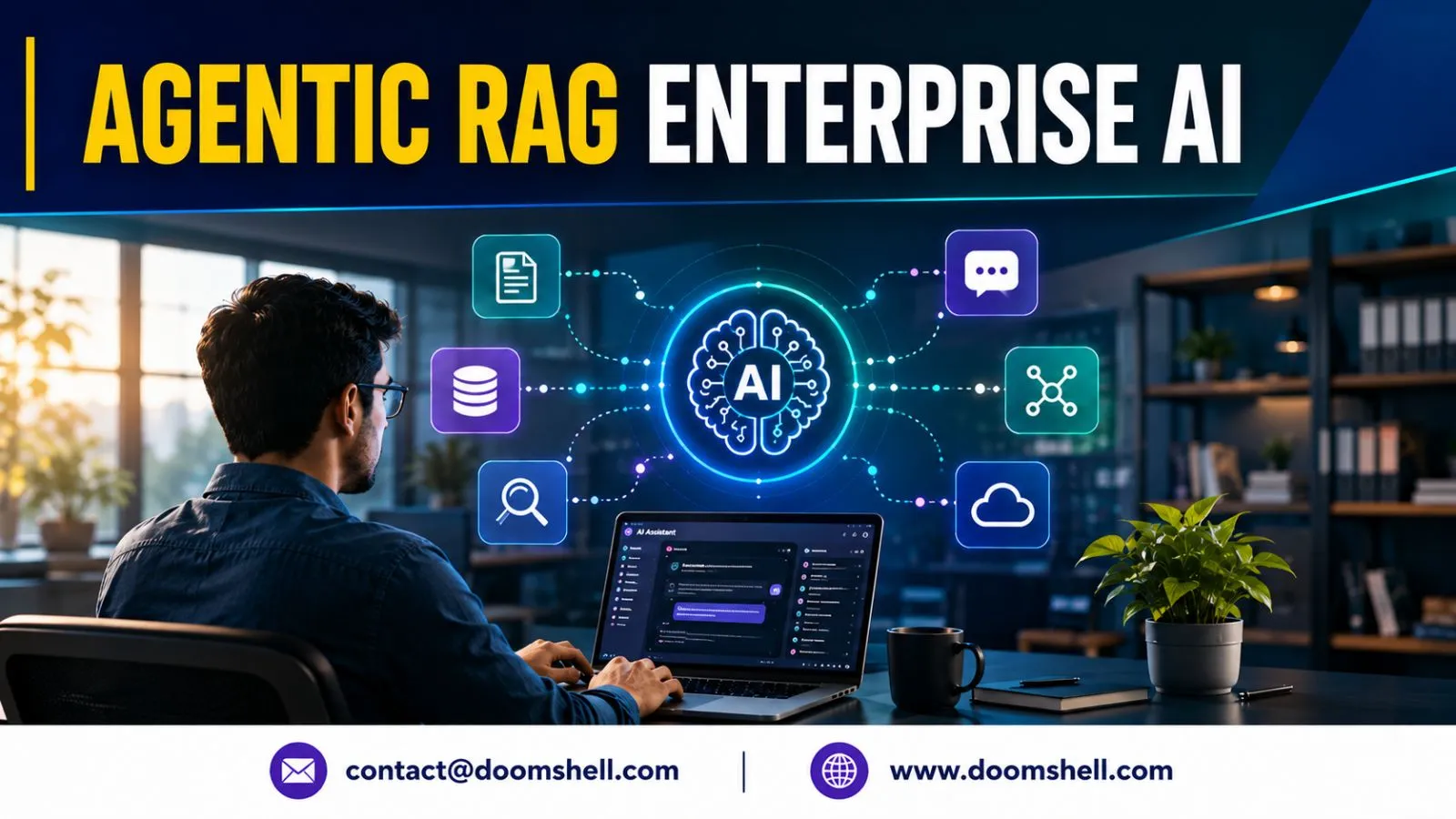
Agentic RAG: The Next Evolution of Enterprise AI in 2026
Artificial Intelligence has rapidly evolved from simple chatbots to intelligent systems capable of supporting complex business operations. However, many organizations still struggle to generate meaningful business outcomes because traditional AI models primarily retrieve information and generate responses without taking action. This limitation has led to the rise of Agentic RAG (Retrieval-Augmented Generation)—the next generation of…
-
Production-Ready Data: The Foundation of Successful Enterprise AI in 2026
Artificial Intelligence is transforming how businesses operate, but successful AI implementation depends on more than choosing the right models or tools. The true foundation of every successful AI initiative is high-quality, production-ready data. Many organizations invest heavily in AI technologies but struggle to achieve measurable results because their data is incomplete, inconsistent, or poorly managed.…
-
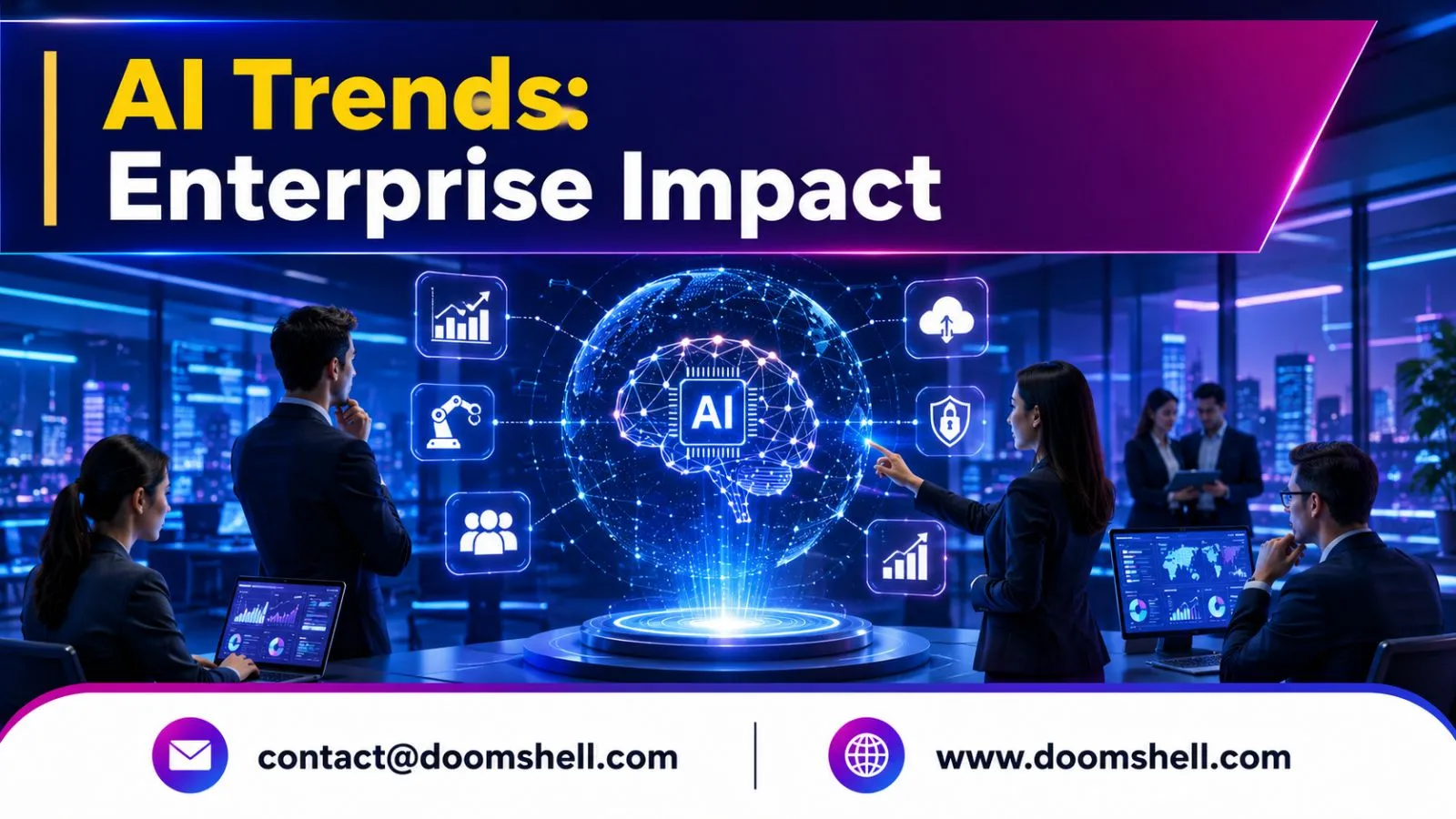
AI Trends 2026: How Enterprises Can Move from AI Hype to Real Business Impact
Artificial Intelligence has entered a new phase. Over the past few years, many organizations focused on experimenting with AI through pilot projects and proof-of-concept initiatives. In 2026, the focus is shifting toward one critical question: How can AI create measurable business impact? Enterprises are no longer satisfied with isolated AI experiments. They want AI systems…
-
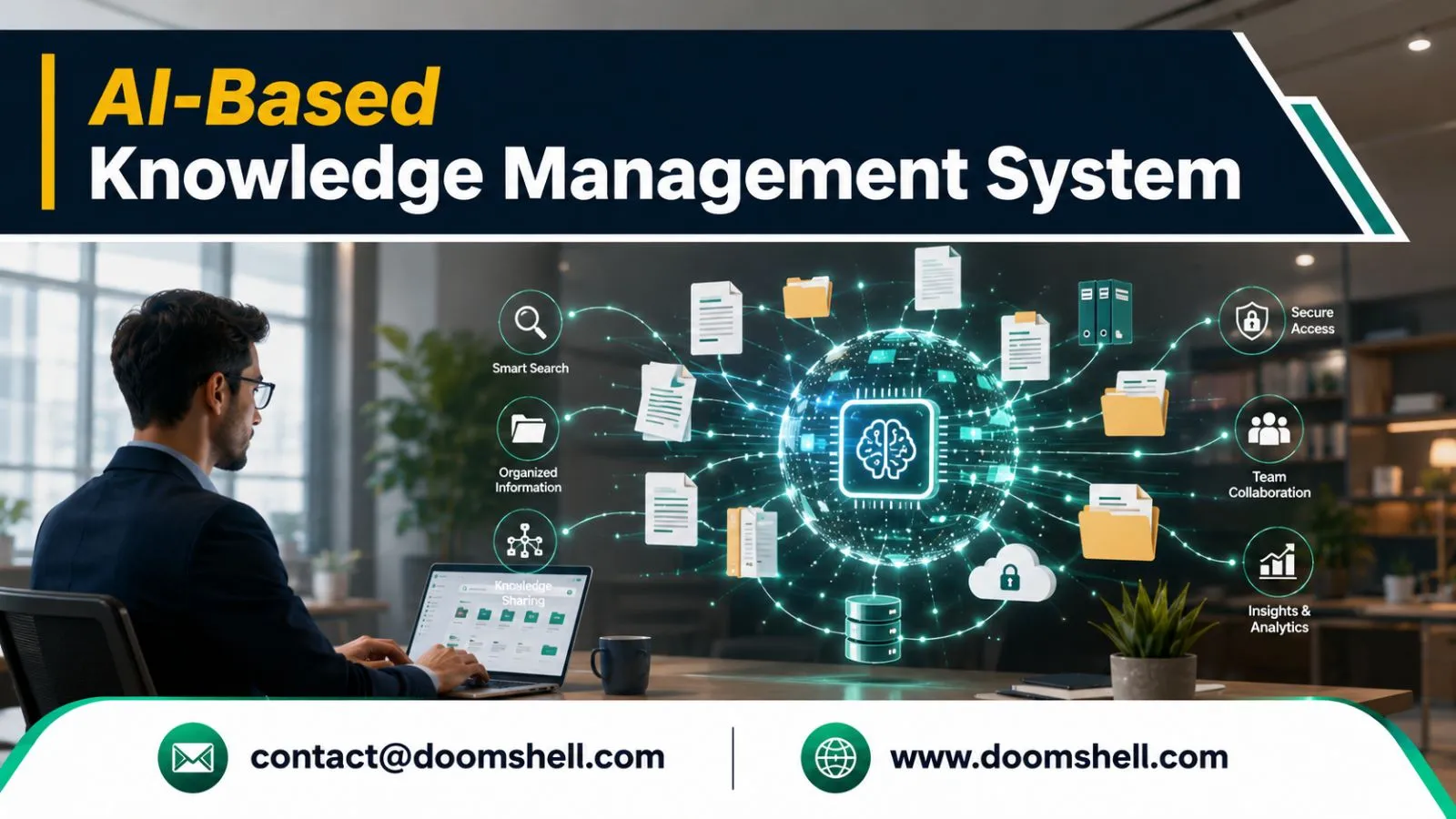
AI-Powered Knowledge Management System: Transforming Enterprise Knowledge with Artificial Intelligence
As organizations generate massive amounts of documents, emails, reports, and internal knowledge every day, finding the right information at the right time has become increasingly challenging. Traditional knowledge management systems often rely on manual organization and keyword-based searches, making it difficult for employees to access accurate and up-to-date information quickly. An AI-powered Knowledge Management System…
-
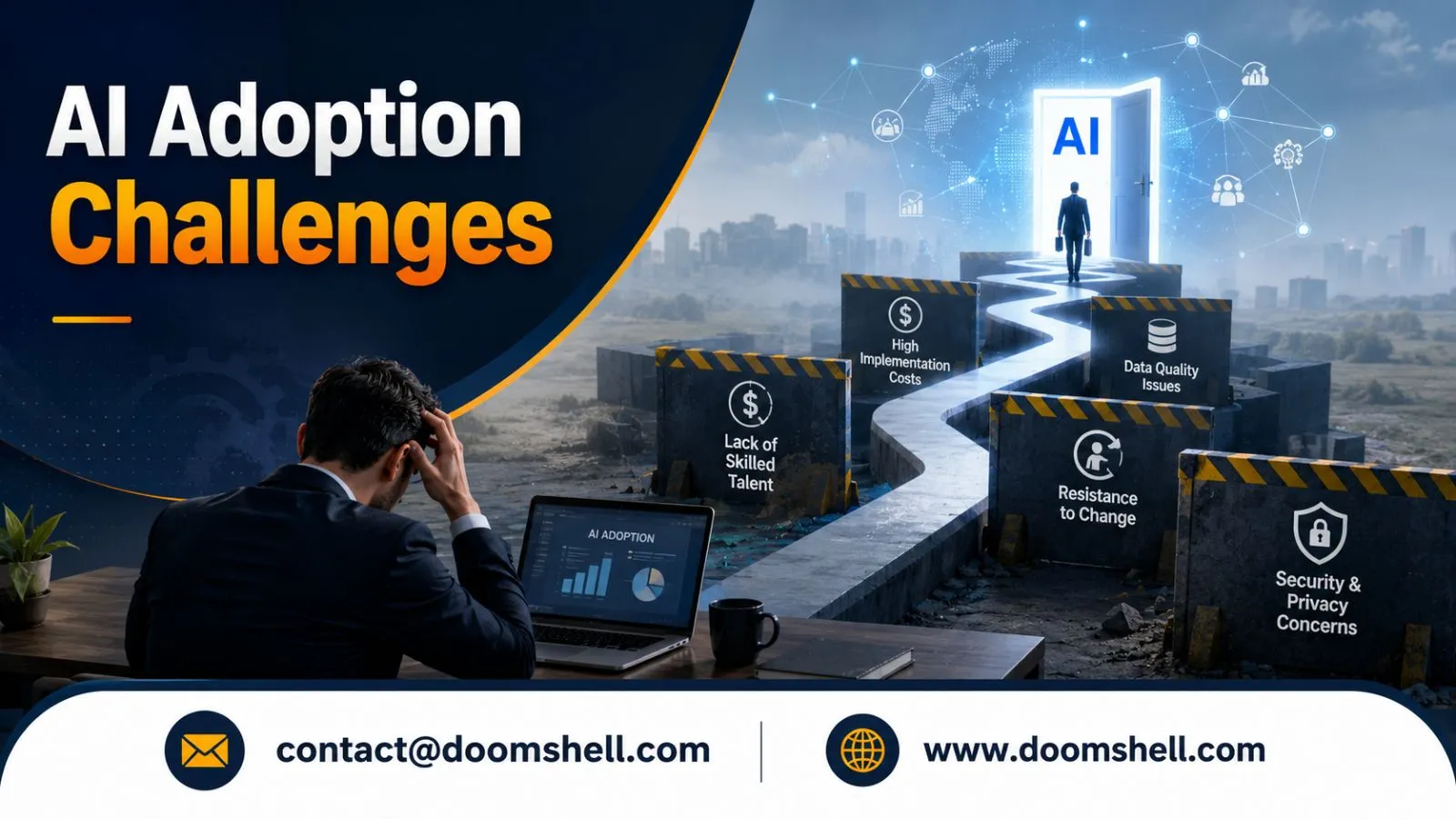
AI Adoption Challenges in 2026: Why Many Businesses Still Fail to Scale AI
Artificial intelligence has become one of the most influential technologies driving digital transformation across industries. From customer support chatbots and predictive analytics to supply chain optimization and fraud detection, AI is helping organizations improve efficiency and deliver better customer experiences. Despite growing investments, however, many companies continue to face significant AI adoption challenges that prevent…
-
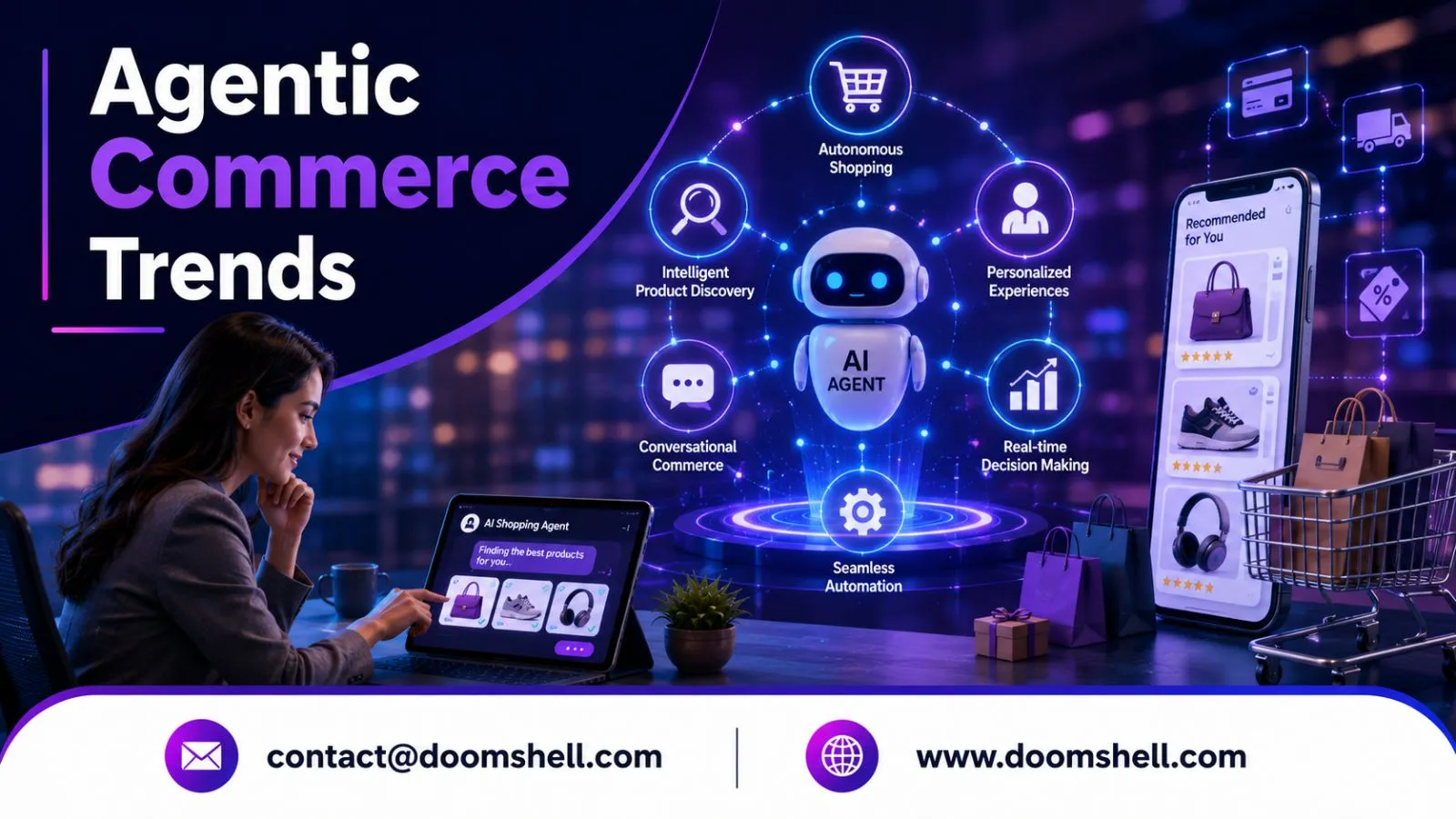
Agentic Commerce: How AI Shopping Agents Are Transforming Consumer Buying Behavior
Online shopping is entering a new era where artificial intelligence does far more than recommend products. Today, intelligent systems can understand customer preferences, compare thousands of products within seconds, negotiate prices, and even complete purchases with minimal human involvement. This evolution is known as Agentic commerce, and it is rapidly transforming how consumers interact with…
-
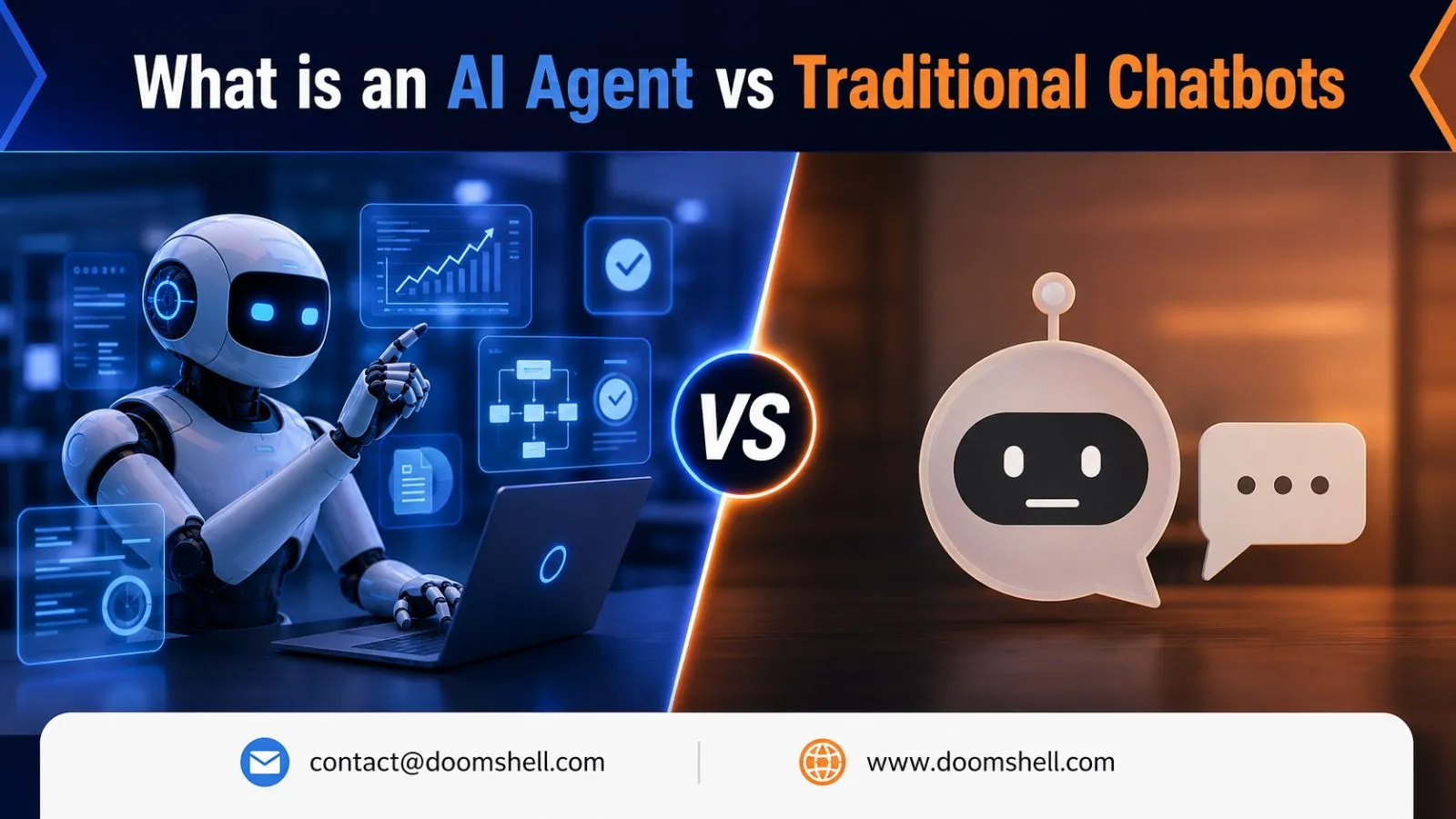
What Is an AI Agent and How Is It Different from Traditional Chatbots?
Artificial Intelligence has evolved far beyond simple chatbots. Today, businesses are adopting AI Agents that can think, plan, learn, and execute tasks with minimal human intervention. Unlike traditional automation tools, AI Agents analyze data, understand context, make decisions, and perform multi-step actions across different business systems. Whether it’s customer support, sales automation, HR management, or…
-

Grammarly vs ChatGPT 2026: Which AI Writing Tool Should You Choose?
The AI writing assistant market has expanded rapidly in 2026, with Grammarly maintaining dominance in grammar and editing software while ChatGPT continues leading AI content generation. Recent market trends indicate: Grammarly holds nearly 60% of the enterprise grammar-editing market. ChatGPT powers nearly 70% of AI-assisted content generation workflows. Around 55% of professionals prioritize grammar accuracy,…