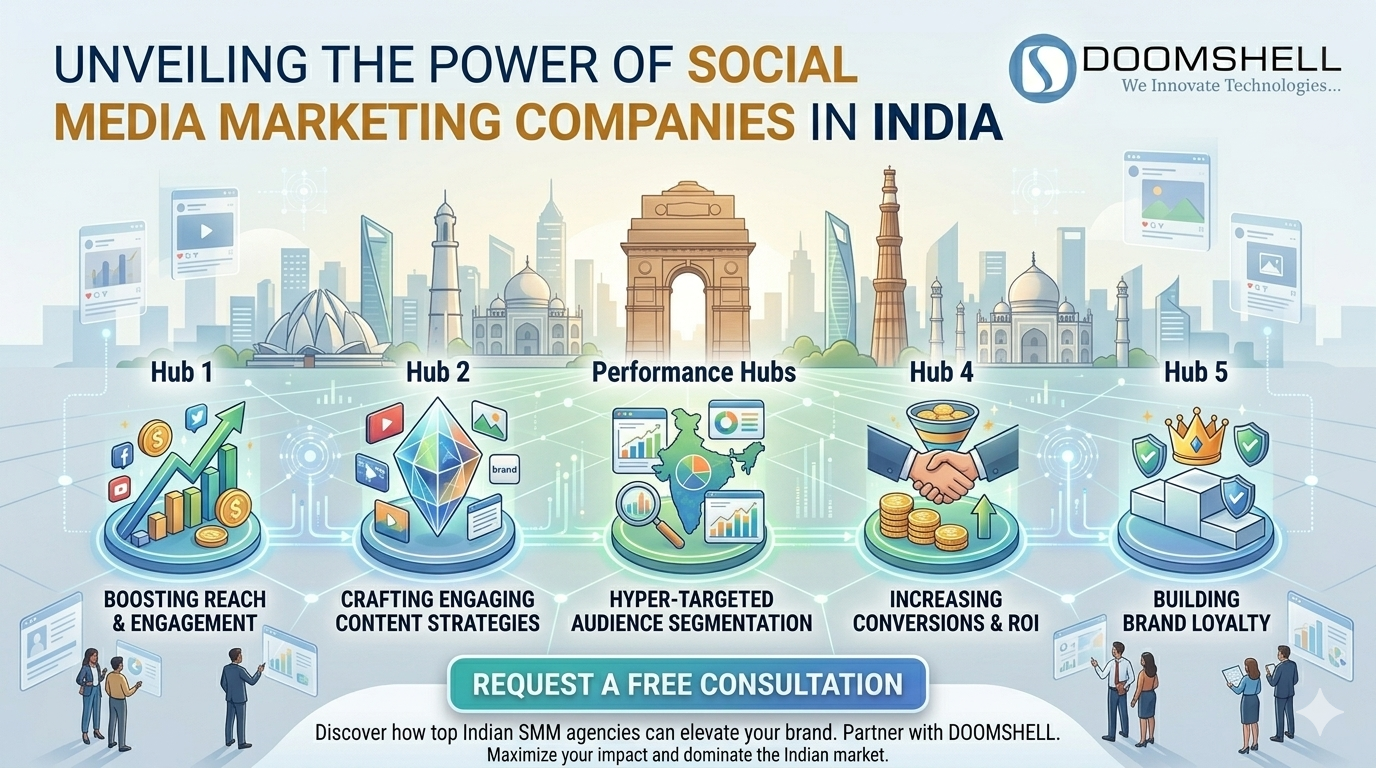
Social media has become an important channel for businesses to connect with customers, increase brand awareness, and generate sales. Platforms such as Instagram, Facebook, LinkedIn, YouTube, and X offer opportunities to reach relevant audiences and build lasting customer relationships. However, achieving consistent results requires more than publishing occasional posts. A professional social media marketing company in India helps businesses develop focused strategies, create engaging content, manage campaigns, and measure performance.
From startups and small businesses to established enterprises, organizations are investing in social media to strengthen their digital presence. The right approach combines creative storytelling, audience research, paid advertising, and performance analysis to support sustainable business growth.
Understanding the Role of a Social Media Marketing Company in India
A social media marketing company helps businesses plan, execute, and improve their marketing activities across relevant social platforms. Its goal is to connect brands with the right audiences and turn online interactions into meaningful business outcomes.
Developing a Customized Social Media Strategy
Every business has different customers, objectives, and competitive challenges. A successful strategy begins by identifying what the business wants to achieve, whether that means increasing brand awareness, generating qualified leads, driving website traffic, or improving customer retention.
A professional marketing team typically evaluates:
-
Business goals and target audience
-
Competitor activity and industry trends
-
Brand positioning and communication style
-
Suitable social media platforms
-
Content formats and publishing frequency
-
Advertising budget and campaign objectives
The team then creates a content calendar and campaign plan aligned with these priorities. For example, a B2B company may focus on LinkedIn thought leadership and lead generation, while a consumer brand may prioritize Instagram Reels, creator collaborations, and product demonstrations.
A clear strategy helps businesses maintain consistency instead of posting content without a measurable purpose.
Creating Content and Managing Audience Engagement
Content plays a central role in social media performance. Businesses need material that captures attention, answers customer questions, communicates value, and encourages people to take action.
Common content formats include educational posts, short-form videos, product demonstrations, customer stories, behind-the-scenes content, infographics, and promotional campaigns.
However, publishing content is only one part of the process. Effective social media management also involves responding to comments, monitoring messages, answering common questions, and identifying opportunities to build conversations with customers.
Brands should maintain a consistent voice while adapting their communication to each platform. A professional LinkedIn post may require a different approach from an entertaining Instagram Reel, even when both communicate the same message.
Benefits and Services That Support Business Growth
A well-managed social media presence can support several business objectives. Results depend on the quality of the strategy, audience relevance, budget, competition, and consistency of execution.
Improving Brand Awareness and Generating Leads
Social platforms help businesses introduce their products and services to potential customers. Regular publishing, useful content, and audience interaction can increase brand familiarity over time.
Paid campaigns can extend that reach by targeting relevant audiences using available platform options. Businesses may use advertising to promote products, collect enquiries, drive website visits, or encourage registrations.
Common services include:
-
Social media account management
-
Content planning and creative production
-
Facebook and Instagram advertising
-
LinkedIn campaigns for B2B audiences
-
YouTube video promotion
-
Audience research and competitor analysis
-
Community management and customer engagement
-
Campaign reporting and optimization
Businesses should distinguish between visibility metrics and business outcomes. Reach and impressions indicate content exposure, while qualified leads, conversion rates, customer acquisition costs, and sales help assess commercial performance.
Social media can also support wider digital initiatives. For example, an IT Company may coordinate website improvements, analytics, and campaign tracking so that marketing teams can understand how social traffic contributes to enquiries and conversions.
Using Analytics to Improve Campaign Performance
Social media marketing works best when teams regularly review results and make informed adjustments. Instead of relying only on follower counts or likes, businesses should measure performance against their original objectives.
Useful metrics include engagement rate, video watch time, link clicks, profile visits, leads generated, conversion rate, and advertising return on investment.
For paid campaigns, marketers can test different creatives, headlines, audience segments, and calls to action. These experiments help identify which combinations perform best.
Tracking should also continue beyond the initial click. Where appropriate, analytics tools and conversion tracking can help businesses understand whether visitors submit forms, make purchases, or complete other valuable actions.
A regular reporting process makes it easier to identify successful content, reduce ineffective spending, and refine future campaigns. It also gives business owners a clearer view of how marketing activity supports growth.
Latest Social Media Marketing Trends in India
Social platforms and audience preferences continue to evolve. Businesses need to adapt their content and campaigns while keeping their brand objectives at the center of every decision.
Short-Form Video, Creators, and Authentic Content
Short-form video remains an important format for product discovery, education, demonstrations, and storytelling. Instagram Reels and YouTube Shorts allow businesses to communicate ideas quickly and experiment with different creative approaches.
Useful video concepts include quick tutorials, product comparisons, customer experiences, common mistakes, behind-the-scenes clips, and answers to frequently raised customer concerns.
Creator and influencer collaborations can also help brands reach relevant communities. The best partnerships depend on audience alignment, content quality, credibility, and clear campaign objectives rather than follower count alone.
Authentic content is equally important. Audiences often respond better to useful demonstrations and relatable stories than to repetitive promotional messages. Businesses should disclose paid partnerships where required and avoid misleading claims or fabricated customer experiences.
AI-Powered Marketing and Social Commerce
Artificial intelligence is changing how marketing teams research audiences, brainstorm content, analyze performance, and automate routine tasks. AI tools can help generate content ideas, organize feedback, summarize campaign reports, and support customer-service workflows.
However, human review remains essential. Teams should check factual accuracy, protect confidential information, maintain brand consistency, and ensure that automated responses provide useful answers.
Social commerce is another area worth considering. Depending on the platform and market availability, product discovery features, shopping integrations, and creator-led recommendations can help shorten the journey from discovering a product to purchasing it.
Businesses should choose trends according to their audience and resources rather than adopting every new feature. A focused strategy with relevant content and reliable measurement is generally more useful than chasing trends without a clear business purpose.
How to Choose the Right Social Media Marketing Company in India
Selecting a marketing partner requires careful evaluation. Businesses should look beyond attractive proposals and assess whether an agency understands their customers, industry, and growth objectives.
Evaluate Experience, Strategy, and Reporting
Review an agency's portfolio, relevant industry experience, creative quality, and approach to campaign planning. Ask how it researches target audiences, selects platforms, develops content, and measures success.
Before signing an agreement, clarify:
-
Which platforms and services are included
-
How many posts, videos, or campaigns are planned
-
Whether advertising spend is separate from management fees
-
Who handles content approvals and customer responses
-
How often performance reports are provided
-
What results will be measured and how
-
Who owns the creative assets and account access
A reliable agency should explain its recommendations clearly and set realistic expectations. No provider can guarantee viral reach, a specific number of sales, or consistent results across every campaign.
Build a Long-Term Growth Plan
Social media marketing usually requires continuous learning and improvement. Businesses should establish measurable goals, review performance regularly, and adjust their plans as audience behavior changes.
An effective partnership combines creative execution with transparent communication and data-informed decisions. It should also account for the full customer journey, from discovering a brand to evaluating its offering and eventually making a purchase.
Doomshell Softwares Pvt Limited supports businesses seeking a more structured digital presence through marketing and technology services. When evaluating a social media marketing agency in India, businesses should look for a partner that understands their objectives, creates platform-appropriate content, manages campaigns responsibly, and connects performance reporting with meaningful business results.
Ultimately, social media marketing is not simply about publishing more content or collecting followers. It is about reaching the right audience, building trust, and encouraging valuable actions. With a clear strategy, relevant creative content, appropriate advertising, and regular performance analysis, businesses can develop a stronger online presence and create opportunities for long-term growth.