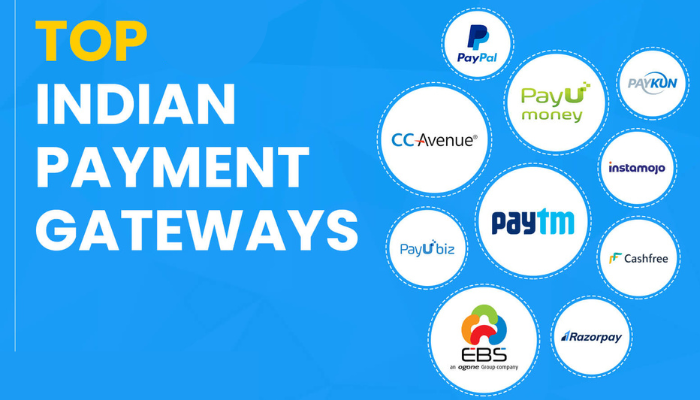
In 2026, choosing the best payment gateways for eCommerce is an important decision for businesses that want to deliver secure, convenient, and reliable online shopping experiences. Customers expect quick checkout, familiar payment methods, and clear transaction updates. Meanwhile, merchants need dependable processing, fraud protection, simple integration, and transparent fees.
Whether you operate a startup, a growing online store, or an established enterprise, the right payment gateway can reduce checkout friction and support business growth. An experienced IT Company can also help businesses integrate payment solutions that fit their website, customer journey, and operational requirements.
What Is a Payment Gateway and Why Does It Matter?
How Online Payment Processing Works
A payment gateway securely transmits payment information between the customer, merchant, payment processor, and relevant financial institutions. It helps authorize transactions and communicates whether a payment has been approved or declined.
During checkout, customers select a payment method and provide the required details. The gateway securely processes the request, and the merchant receives the transaction status. Settlement then follows the provider's payment procedures and agreed timelines.
Common payment methods include:
-
Credit and debit cards
-
UPI payments
-
Net banking
-
Digital wallets
-
International cards and supported currencies
-
Recurring payments and subscriptions
-
Eligible EMI and buy-now-pay-later options
Available methods depend on the provider, merchant eligibility, customer location, and account configuration.
How the Right Gateway Improves eCommerce Performance
A smooth checkout experience helps customers complete purchases with fewer interruptions. Complicated forms, unexpected charges, limited payment options, and repeated payment failures can cause shoppers to abandon their carts.
A suitable gateway can help businesses offer familiar payment methods, improve transaction visibility, automate payment notifications, and manage refunds more efficiently. Features such as saved payment methods and recurring billing can also support eligible business models.
However, no provider guarantees higher conversion rates or successful transactions in every situation. Results depend on factors such as bank approvals, network reliability, fraud controls, checkout design, and customer preferences.
Factors to Consider Before Choosing an eCommerce Payment Gateway
Transaction Fees, Settlement, and Supported Payment Methods
Compare the complete pricing structure rather than looking only at the advertised transaction fee. Costs may include setup charges, monthly fees, international transaction fees, currency conversion, refunds, and additional services.
Settlement timing also matters because businesses need predictable access to their revenue. Ask providers about settlement schedules, applicable conditions, refund timelines, and procedures for resolving disputed transactions.
For businesses selling in India, UPI, cards, and net banking may be essential. International merchants may prioritize multiple currencies and payment methods familiar to overseas customers.
Security, Integration, and Scalability
Security should be a priority when evaluating any payment gateway. Look for appropriate PCI DSS compliance, encryption, tokenization, fraud monitoring, and authentication controls. Understand which security responsibilities belong to the provider and which remain with your business.
Integration is equally important. The gateway should work with your eCommerce platform, shopping cart, accounting tools, and order management processes. Check whether the provider offers plugins, APIs, developer documentation, testing environments, and technical support.
Finally, consider future growth. A solution that supports your current order volume should also accommodate additional products, subscriptions, international customers, and new sales channels as your business expands.
Best Payment Gateways for eCommerce in 2026
1. Razorpay – A Strong Option for Indian Businesses
Razorpay is a popular option for Indian businesses seeking online payment collection and integration with digital stores. Depending on merchant eligibility and the selected services, supported options may include UPI, cards, net banking, wallets, and recurring payments.
Best suited for: Indian startups, online retailers, and service businesses.
Consider: Transaction pricing, settlement terms, supported payment methods, and the integration options available for your platform.
2. PayU – Flexible Payment Processing
PayU offers payment processing services for businesses operating in supported markets. Its capabilities can include local payment methods, cards, digital payment options, and integration tools.
Best suited for: Businesses seeking payment options tailored to their target market.
Consider: Country-specific availability, onboarding requirements, fees, and the payment methods enabled for your merchant account.
3. Stripe – Developer-Friendly Payment Infrastructure
Stripe provides APIs and payment tools for online businesses, including platforms that need customized checkout experiences, subscriptions, and international payment capabilities in supported countries.
Best suited for: SaaS businesses, technology startups, and online stores requiring flexible integrations.
Consider: Business eligibility by country, supported currencies, pricing, and the technical resources needed for implementation.
4. PayPal and Braintree – International Payment Options
PayPal provides a familiar payment experience for eligible customers, while Braintree offers payment processing capabilities for online and mobile applications. Their suitability depends on the merchant's location, customer base, and required features.
Best suited for: Businesses serving international customers or seeking supported PayPal payment options.
Consider: Country availability, merchant eligibility, transaction fees, settlement rules, and integration requirements.
5. Authorize.Net – Established Payment Processing
Authorize.Net offers payment gateway services with capabilities such as recurring billing, transaction reporting, and fraud-management tools. Availability and pricing depend on the merchant's location and account arrangement.
Best suited for: Eligible businesses requiring established payment-processing and billing features.
Consider: Account requirements, total costs, supported markets, and compatibility with the existing store.
6. Amazon Pay – A Familiar Checkout Experience
Amazon Pay allows eligible customers to pay through supported Amazon account-based payment experiences. Its availability and capabilities vary by market and merchant eligibility.
Best suited for: Businesses whose target customers can use the service and benefit from a familiar checkout option.
Consider: Merchant availability, integration support, pricing, and the payment methods available to customers.
No single gateway is best for every business. Compare current provider terms and test the complete checkout flow before making a final decision.
How to Choose and Integrate the Right Payment Gateway
Compare Providers Against Your Business Requirements
Start by identifying your target markets, average order value, expected transaction volume, preferred payment methods, and technical requirements. Shortlist providers that meet these needs, then compare pricing, security, settlement, customer support, and integration options.
Before going live, test successful payments, declined transactions, cancellations, refunds, duplicate payment prevention, and order-status updates. Confirm that payment records match the store's order management and accounting systems.
Payment Gateway Integration for Long-Term Growth
A well-integrated payment gateway should work smoothly across desktop and mobile devices. Keep checkout forms simple, display the total payable amount clearly, provide useful error messages, and communicate payment status promptly.
Businesses with specialized workflows may need custom checkout development, subscription billing, multi-vendor payments, or connections with inventory and accounting systems. An experienced eCommerce development company can help plan and implement these integrations around the business's technical requirements.
Review transaction failures and checkout abandonment regularly. Monitor fraud alerts, update integrations when required, and keep access credentials protected. Businesses should also maintain a clear process for handling refunds, disputes, and customer payment queries.
The best payment gateway is ultimately the one that balances security, affordability, customer convenience, and reliable integration. By evaluating providers against real business needs and testing the complete purchasing journey, online businesses can create a smoother checkout experience and build a stronger foundation for sustainable growth.